

Best Time to Visit Morocco: A Seasonal Guide
Did you know Morocco’s climate is perfect for travel all year? The ideal season for a Morocco trip is spring or fall.
Traveling during Morocco’s best seasons can make your trip better. The country has a mix of Mediterranean and desert climates. This makes spring (mid-March to May) and fall (September to October) the best times to see its cities, landscapes, and culture.
Knowing when to visit Morocco can improve your trip. You can enjoy busy markets, relax on beaches, or hike in the Atlas Mountains.
Key Takeaways
- Spring (mid-March to May) is an ideal time to visit Morocco due to its mild weather.
- Fall (September to October) offers pleasant temperatures and fewer crowds.
- Morocco’s diverse climate allows for a variety of experiences across different seasons.
- Planning ahead according to the seasons can enhance your travel experience.
- Morocco’s rich cultural heritage and landscapes are more accessible during spring and fall.
Understanding Morocco’s Climate and Geography
Morocco’s geography is diverse, with coastal, mountainous, and desert areas. This variety affects the country’s weather and planning your trip.
Diverse Climate Zones Across the Country
Morocco has different climates. The coast has a mild Mediterranean climate. Inland, it’s hot and dry. The Atlas Mountains have cold winters and cool summers.
How Geography Affects Weather Patterns
Morocco’s geography shapes its weather. The coast is mild, while inland is warm and dry.
Coastal Influences
The Atlantic coast keeps the climate stable. Temperatures stay relatively even.
Mountain Effects
The Atlas Mountains block rain, making the western side wet and the eastern side dry.
Desert Climate
| Region | Climate | Characteristics |
|---|---|---|
| Coastal | Mediterranean | Mild winters, warm summers |
| Mountainous | Alpine | Cold winters, cool summers |
| Desert | Arid | Hot summers, cold winters |
The Best Time to Visit Morocco: Season by Season Overview
Planning your trip to Morocco? It’s key to know about the seasonal changes. Morocco’s weather changes a lot with each season, shaping your travel experience.
Peak Season vs. Off-Season Benefits
The peak season in Morocco is summer. It’s busy and pricey, but perfect for beach lovers and those who like it warm. The off-season is cheaper and less crowded, but some spots might be closed.
Shoulder Seasons: The Hidden Sweet Spots
The shoulder seasons, spring and fall, are the best. They offer nice weather and fewer tourists. It’s a great time to see Morocco’s cities, landscapes, and events without the crowds.
Year-Round Weather Patterns
Knowing Morocco’s year-round weather patterns is vital. The country’s varied landscapes mean different weather in coastal areas, mountains, and deserts. This info helps you pack right for your trip.
Think about these seasonal tips to plan your Morocco trip. Whether you want excitement or a calm getaway, Morocco has it all.
Spring in Morocco (March-May)
Spring in Morocco is a time of renewal. It brings mild temperatures and many cultural events. The landscapes become vibrant, making it a great time to explore.
Weather Conditions and Temperatures
Spring in Morocco has pleasant weather. Temperatures range from 64°F to 75°F (18°C to 24°C). Coastal areas stay mild, while inland areas can get warmer.
It’s an excellent time for outdoor activities. You can hike in the Atlas Mountains or explore the Sahara Desert.
Best Spring Destinations and Activities
Spring is a great time to visit places like Marrakech. You can enjoy bustling markets and historic sites without the summer heat. Essaouira is perfect for kite surfing, and Fes offers a deep dive into Morocco’s culture.
Spring Festivals and Cultural Events
Morocco celebrates spring with various festivals. These events showcase its rich cultural tapestry. Two notable events are the Rose Festival in Kelaat M’Gouna and the International Nomads Festival.
Rose Festival in Kelaat M’Gouna
The Rose Festival, held in May, celebrates the rose harvest. It’s a colorful event with music, dance, and a rose queen. Visitors can enjoy fragrant rose products and see traditional Berber culture.
International Nomads Festival
Though not exclusively a spring event, it occurs in March or April. It brings together nomads from around the world. It’s a unique chance to see their traditions and lifestyles through music, crafts, and camel racing.
Summer in Morocco (June-August)
Planning a trip to Morocco in summer? Get ready for the heat and enjoy the Morocco summer activities. It’s the busiest time for tourists, but you can stay cool with the right tips.
Managing the Heat: Coastal vs. Inland Areas
Morocco’s weather changes a lot between the coast and inland. Places like Essaouira and Casablanca are cooler thanks to the sea breeze. But, cities like Marrakech and Fes get really hot in summer.
Summer Activities and Attractions
Summer is perfect for Morocco summer activities. You can hit the beautiful beaches, explore the Sahara Desert at cooler times, and enjoy the lively cultural festivals.
Tips for Comfortable Summer Travel
Here are some summer travel tips for a great trip to Morocco:
Hydration and Sun Protection
Drink lots of water and use sunscreen, a hat, and sunglasses to protect yourself from the sun.
Timing Your Daily Activities
Plan your day to miss the hottest hours (11 am to 3 pm). Visit places early morning or late evening.
With these tips, you’ll have a fantastic time in Morocco this summer.
Fall in Morocco (September-November)
Morocco in the fall is a mix of autumn harvests, cultural experiences, and great photography spots. As summer’s heat fades, the country becomes a cozy and welcoming place.
Weather Patterns and Ideal Locations
Fall in Morocco brings mild temperatures, perfect for exploring the country. Weather changes across regions, with coastal areas staying pleasant and inland areas seeing more season changes.
Cities like Marrakech, Fes, and Rabat have great weather. Coastal towns like Essaouira and Taghazout offer a cool ocean breeze. The Atlas Mountains cool down, ideal for hiking and exploring Morocco’s natural beauty.
Autumn Harvests and Cultural Experiences
Fall is a big time for harvests in Morocco. You can dive into the country’s rich culture by joining harvest festivals.
Date Harvest in the Oases
The date harvest is a fall highlight in Morocco. Visit oases like the Draa Valley to see dates being picked and taste fresh ones. It’s a chance to learn about traditional date cultivation and processing.
Olive Picking Season
In some areas, fall is when olives are picked. You can join in the harvest in olive groves. It’s a way to learn about making olive oil, a key part of Moroccan food.
Photography Opportunities in Fall
Fall in Morocco is full of photo chances, from colorful foliage to beautiful countryside views. The autumn light makes Morocco’s architecture, markets, and nature even more stunning, perfect for photographers.
Whether you’re a pro or just love taking pictures, Morocco in the fall has plenty to capture. You can shoot amazing photos in souks, oases, and mountains.
Winter in Morocco (December-February)
When winter hits Morocco, the country shows a new side. You can ski, hike, and dive into local winter festivals. This time of year, from December to February, is full of activities for everyone.
Climate Variations by Region
The weather in Morocco changes a lot from one place to another in winter. The Atlas Mountains get a lot of snow, perfect for winter sports. But, the coast is usually mild, and the desert can be cool at night but warm during the day.
Winter Sports in the Atlas Mountains
The Atlas Mountains are a dream for those who love winter sports. Skiing and hiking are top choices.
Skiing in Oukaïmeden
Oukaïmeden is Morocco’s biggest ski resort. It has many ski lifts and slopes for all levels. It’s a great spot for skiing in Africa.
Hiking in Winter Conditions
If you like hiking, the Atlas Mountains have many trails. They offer stunning views. Winter is peaceful and perfect for nature fans.
Holiday Season and Winter Festivals
Winter in Morocco is also a time for celebration. Many festivals happen during the holiday season. They show off the country’s rich culture and are a fun way to see local traditions.
| Region | Average Temperature | Activities |
|---|---|---|
| Atlas Mountains | 0-10°C (32-50°F) | Skiing, Hiking |
| Coastal Areas | 10-15°C (50-59°F) | Sightseeing, Relaxation |
| Desert Regions | 5-20°C (41-68°F) | Camel Rides, Stargazing |
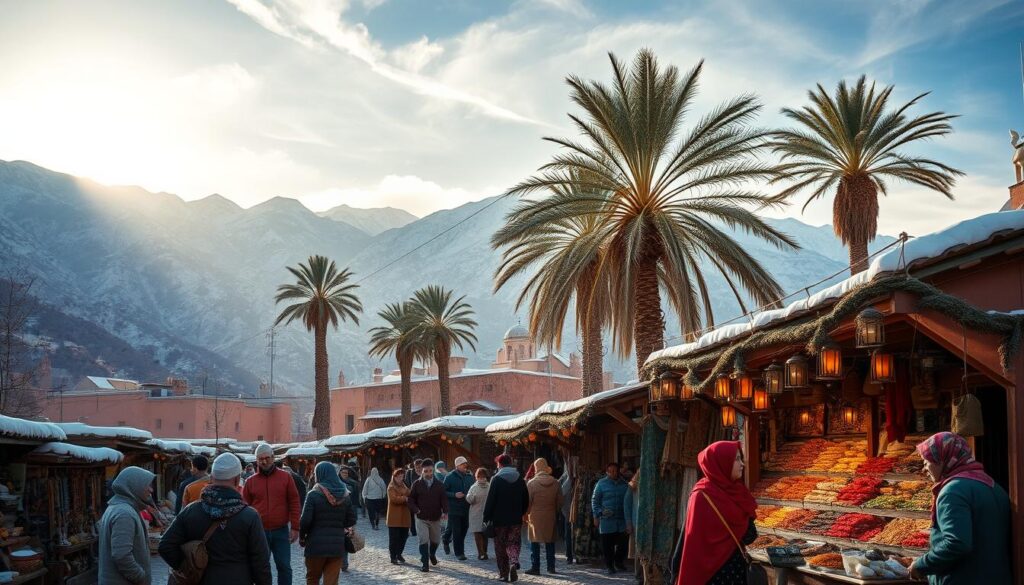
Winter in Morocco is full of different experiences. You can enjoy winter sports or relax at cultural festivals. Morocco has something for everyone during the winter months.
Regional Guide: When to Visit Morocco’s Top Destinations
Find out the best times to see Morocco’s top spots, from lively cities to peaceful nature. Morocco has many areas, each perfect for visiting at different times.
Northern Morocco (Tangier, Chefchaouen)
Northern Morocco has a mild climate all year. Tangier is lovely in spring and fall. Chefchaouen shines in spring with its flowers.
Central Morocco (Fes, Meknes, Rabat)
Central Morocco has a more varied climate. Fes and Meknes are best in spring or fall to dodge the heat and cold. Rabat, the capital, is nice all year.
Southern Morocco (Marrakech, Essaouira, Agadir)
Marrakech welcomes visitors any time, but spring and fall are best. Essaouira is windy in summer, perfect for surfers. Agadir is warm in winter, great for those seeking warmth.
Eastern Morocco and the Sahara Desert
The Sahara Desert is best in cooler months. Merzouga and Zagora are perfect for desert camping from October to April.
Best Months for Desert Camping
The best months for desert camping are October and April. These months have mild temperatures.
Avoiding Sandstorms
To miss sandstorms, visit the desert outside summer. Always check the weather forecast.
Traveling During Ramadan and Other Religious Holidays
Morocco’s culture is deeply rooted in Islamic traditions. It’s important to know how Ramadan and other holidays affect your trip. Showing respect for local customs can make your journey better.
What to Expect During Ramadan
During Ramadan, Muslims fast from dawn to sunset. This fasting is a spiritual practice and a time for community. As a visitor, you’ll find many restaurants and cafes closed during the day, except in tourist areas.
Other Important Islamic Holidays
Other key Islamic holidays include Eid al-Fitr and Eid al-Adha. Eid al-Fitr ends Ramadan, while Eid al-Adha honors the Prophet Ibrahim’s sacrifice.
Eid al-Fitr Celebrations
Eid al-Fitr is a time of feasts, gifts, and communal prayers. It’s a joyful celebration that visitors can experience.
Eid al-Adha Traditions
Eid al-Adha involves sacrificing an animal, usually a sheep. The meat is then given to the needy. This holiday teaches the values of sacrifice and charity.
Etiquette and Cultural Considerations
Traveling during these times requires respect for local customs. Dress modestly, avoid eating or drinking in public during fasting hours, and expect business hours to change.
| Holiday | Date | Cultural Significance |
|---|---|---|
| Ramadan | Variable, based on Islamic calendar | Month of fasting and spiritual reflection |
| Eid al-Fitr | End of Ramadan | Celebration marking the end of fasting |
| Eid al-Adha | 70 days after Eid al-Fitr | Commemoration of Prophet Ibrahim’s willingness to sacrifice |
Transportation Considerations by Season
Seasonal changes in Morocco affect the weather and transportation. When planning your trip, think about how seasons impact your travel plans.
Road Conditions Throughout the Year
Road conditions in Morocco change with the seasons. In the rainy winter months, some rural roads can be impassable. But, the dry summer months are best for road trips.
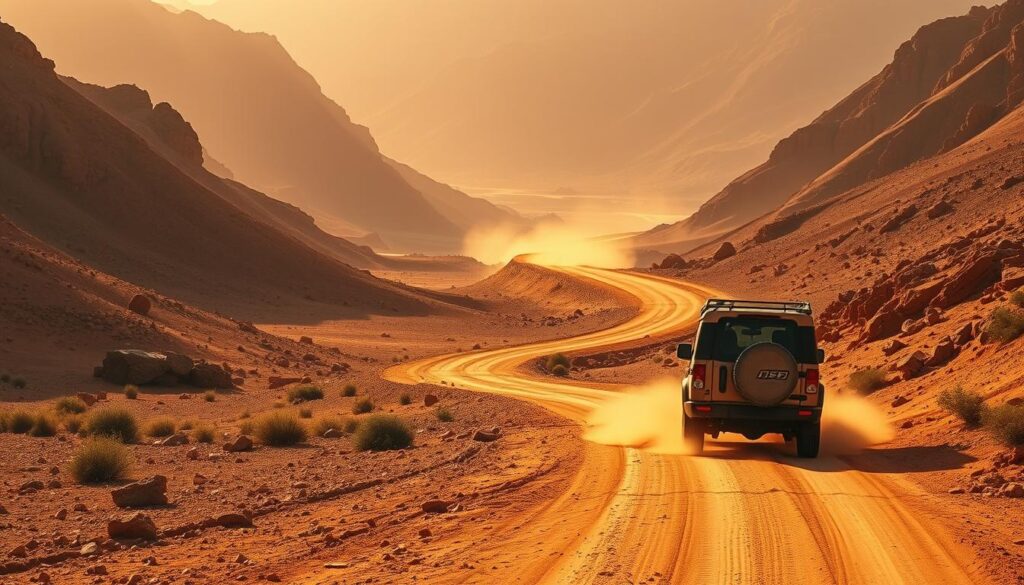
Mountain Passes in Winter
Winter can be tough for mountain passes, like those in the Atlas Mountains. Some passes may close due to snow. Even if they’re open, the roads can be dangerous.
It’s wise to get local advice and plan alternative routes or transport.
Public Transportation Reliability by Season
Public transport in Morocco, like buses and trains, works well all year. But, in summer and holidays, services get busier. Booking ahead is a good idea.
In the off-season, some rural services might run less often.
Car Rental Tips for Different Weather Conditions
Renting a car gives you flexibility. But, pick a car right for the season. For winter, a 4×4 is best for rural or mountain areas.
Make sure the rental car is in good shape and has the right tires. Also, know about insurance and any weather driving restrictions.
Understanding these tips helps plan a safe and fun trip to Morocco.
Budget Considerations: Peak vs. Off-Season Travel
Traveling to Morocco can cost a lot, depending on when you go. Knowing the price changes can help you plan a trip that’s easy on your wallet.
Price Variations Throughout the Year
Prices in Morocco change with the seasons. Spring and autumn are peak times, with higher prices for places to stay and tourist services. The off-season, in summer and winter, is cheaper but can be very hot or cold.
| Season | Accommodation Prices | Tourist Services |
|---|---|---|
| Peak Season (Spring & Autumn) | Higher | Higher |
| Off-Season (Summer & Winter) | Lower | Lower |
Finding the Best Value for Your Trip
To save money, visit during the shoulder season. It has good weather and lower prices. Also, look for deals that include places to stay and things to do.
Booking Tips for Different Seasons
Accommodation Deals
Book your stay early to get better rates, more so in peak seasons. Riads and guesthouses are often cheaper than fancy hotels.
Flight Price Patterns
Flight costs to Morocco change with the season and demand. Off-season flights are usually cheaper. Use online tools to find the best flight deals.
Understanding the budget impact of Morocco’s seasons can help you plan a cheaper trip. Whether you visit in peak or off-season, knowing the costs can make your trip more affordable.
Packing Guide for Morocco by Season
To have a great trip to Morocco, pack right for the season. Morocco’s weather changes a lot with each season. Being ready is key to enjoying your trip.
Essential Items for Every Season
There are some must-haves for any trip to Morocco. Always pack comfy walking shoes, sun protection (sunglasses, sunscreen, hat), and layers for cool nights. Modest clothing that covers your shoulders and knees is also a must, to respect local customs.
Seasonal Packing Lists
Each season in Morocco has its own weather, needing specific items in your bag.
Summer Essentials
- Lightweight, breathable clothing
- Swimwear for coastal areas
- Sun protection (sunscreen, sunglasses, hat)
Winter Necessities
For winter, pack warm clothes for cool mornings and evenings, more so in the mountains.
- Thermal layers
- Warm coat or jacket
- Gloves and a hat for colder days
Spring and Fall Versatile Items
In spring and fall, pack layers for the changing weather.
- Versatile clothing that can be layered
- Comfortable shoes for walking
Cultural Considerations for Clothing
Morocco is a conservative country, so your clothes should show respect. Covering your shoulders and knees is a sign of respect, important when visiting mosques or rural areas. Women might also want a scarf to cover their hair in certain places.
Conclusion: Planning Your Perfect Moroccan Adventure
Planning a trip to Morocco can be exciting. You’ve learned that the best time to visit depends on what you want. Morocco offers great weather in spring, fun summer activities, and calm winters.
Think about what you like when planning your trip. Spring and fall are great for seeing Morocco’s beautiful landscapes. Summer is perfect for beach activities. Winter is ideal for the Atlas Mountains and sports.
Now you know how to plan your Moroccan adventure. Morocco has bustling cities, peaceful deserts, and more. Pack right, respect local customs, and enjoy your trip, no matter the season.
